
Sustaining Conservation: Long-Term Financing for National Park Management in Indonesia

It has been approximately one month since the Indonesian Government officially established the Innovative Financing Task Force for National Parks. The objective of this task force deserves close public attention: to develop sustainable financing mechanisms beyond the state budget. Various official statements and media reports published in 2026 have referred to Presidential Decree (Keppres) No. 8 of 2026 concerning the establishment of the Innovative Financing Task Force for National Park Management.
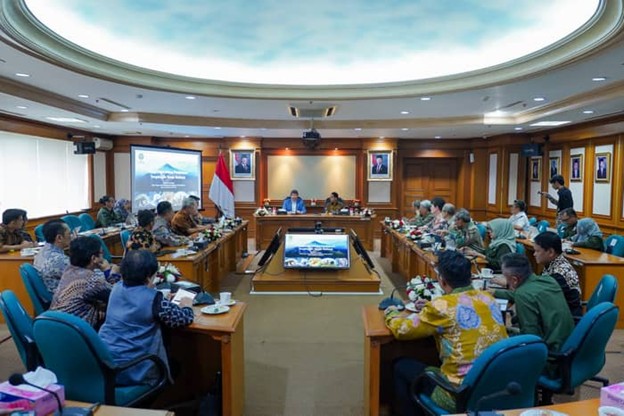
Several key points have consistently emerged:
- The task force was established to promote innovative and sustainable financing schemes for national park management in Indonesia (Pemerintah Bentuk Satgas Inovasi Pembiayaan Taman Nasional, Pulihkan Ekosistem - RRI.co.id)
- The initiative was announced as part of broader efforts to strengthen the governance of conservation areas and reduce dependence on the State Budget (APBN) (Pemerintah Bentuk Satgas Inovasi Pembiayaan Taman Nasional, Dorong Skema di Luar APBN)
- The Task Force is chaired by Hashim Djojohadikusumo, with Raja Juli Antoni serving as Vice Chair for Regulatory Affairs and Mari Elka Pangestu as Vice Chair for Investment (https://x.com/Tempo_Plus/status/2057783174818902254?s=20)
- The Presidential Decree was reportedly issued on 16 April 2026 (https://www.liputan6.com/news/read/6327427/13-taman-nasional-bakal-jadi-pilot-project-konservasi-berskala-dunia-ini-daftarnya)
- The Government has identified 13 priority national parks as pilot sites for conservation management based on innovative financing approaches. (Kemenhut Pilih 13 Taman Nasional Jadi Lokasi Pilot Inovasi Pembiayaan untuk Pemulihan Ekosistem - Ecobiz Asia)
This development is consistent with findings from the broader conservation literature, which suggest that the main challenge facing conservation is not merely a funding gap, but also the creation of sustainable financing sources that do not rely entirely on government budgets (Anyango-van Zwieten, 2021; Cosma et al., 2023; Zabel et al., 2025).

The Concept of Conservation Finance
The Organisation for Economic Co-operation and Development (OECD) defines conservation finance as the full range of mechanisms designed to channel public and private resources toward biodiversity outcomes while ensuring the financial sustainability of protected area management. Similarly, the United Nations Development Programme (UNDP), through its Biodiversity Finance Initiative (BIOFIN), defines biodiversity finance as the process of mobilizing and managing financial resources to support conservation targets and sustainable development goals.
From the perspective of Indonesian law, Article 36A paragraph (1) of Law No. 32 of 2024 stipulates that the Central Government and Regional Governments, according to their respective authorities, are responsible for providing adequate and sustainable funding for the conservation of biological natural resources and their ecosystems. The law further emphasizes that sustainable conservation financing should not depend solely on annual allocations from the national and regional budgets (APBN/APBD), but may also derive from other legitimate conservation funding sources in accordance with prevailing regulations.
In line with concepts promoted by the OECD and UNDP-BIOFIN, the substance of Law No. 32 of 2024 creates opportunities for the adoption of various innovative financing instruments within Indonesia’s conservation areas. Although the law does not explicitly mention instruments such as carbon finance, biodiversity credits, or Conservation Trust Funds (CTFs), its provisions on sustainable financing provide a legal foundation for the future development of such mechanisms through implementing regulations and technical policies.
Critical Points
In Press Release No. SP.122/HKLN/04/2026, the Ministry of Forestry announced five major transformation schemes as concrete steps toward strengthening conservation financing.
First, selected national parks will be transformed into Public Service Agencies (Badan Layanan Umum/BLU), allowing them to manage generated revenues independently and professionally. In the initial phase, Komodo National Park, Bromo Tengger Semeru National Park, and Mount Rinjani National Park will serve as pilot projects. Second, the Ministry seeks to strengthen national park management capacity, including improvements to the Forest Ranger (Polisi Hutan) system. Third, the Government aims to strengthen financing institutions through IBiofund (Indonesia Biodiversity Fund), managed by the Environmental Fund Management Agency (BPDLH). Fourth, the framework emphasizes community participation and benefit-sharing mechanisms. Fifth, it promotes the protection of wildlife corridors and other effective area-based conservation measures (OECMs).
1. Transformation of National Parks into Public Service Agencies (BLU)
Critical Points:
(1) Not all national parks possess the same revenue-generating potential, creating a risk of fiscal disparities among conservation areas.
(2) Clear boundaries are needed between revenue-generation objectives and core conservation goals.
(3) Success indicators should be based not only on financial performance but also on measurable conservation outcomes.
2. Strengthening Management Capacity
Critical Points:
(1) Human resources dedicated to conservation remain limited compared to the vast areas under management.
(2) Enhanced law enforcement should be balanced with collaborative approaches involving local communities living around conservation areas.
3. Strengthening the Role of IBiofund/BPDLH
Critical Points:
(1) Funding disbursement mechanisms must be transparent, accountable, and easily accessible to conservation area management units.
(2) Long-term financial sustainability must be ensured so that funding does not depend solely on donors or short-term financing sources.
(3) Clear prioritization criteria are required for allocating funds among national parks and other conservation areas.
(4) Indonesia’s limited experience in managing biodiversity funds may present institutional challenges.
4. Wildlife Corridor Protection and Other Effective Area-Based Conservation Measures (OECMs)
Critical Points:
(1) Most wildlife corridors are located outside formally protected areas, requiring coordination across sectors and land ownership systems.
(2) Potential conflicts with plantations, agriculture, infrastructure development, and settlements remain significant.
(3) Effective implementation of OECMs requires robust monitoring systems and clear legal recognition to ensure that their contributions to conservation targets can be properly measured.
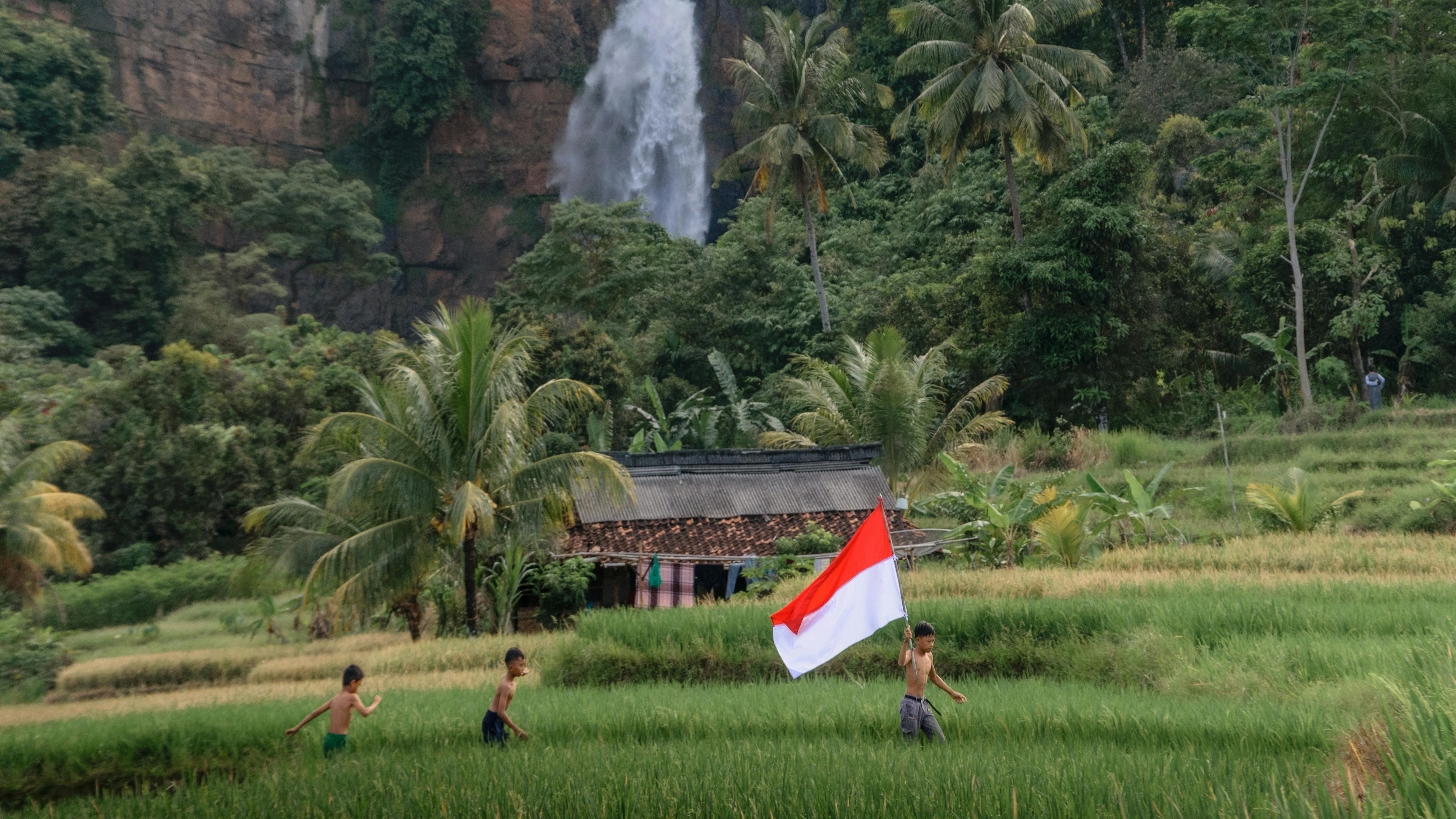
The success of this task force deserves close public scrutiny, as it will determine whether innovative financing can become a sustainable solution for conservation without compromising the primary role of national parks as strongholds of Indonesia’s biodiversity. Equally important, new financing sources should not lead to the commercialization of conservation areas. For us at Javan Wildlife Institute (JAWI), the establishment of this task force is a commendable breakthrough toward strengthening the long-term sustainability of national park management. We hope that conservation will increasingly be recognized not as a cost center, but as a long-term investment in Indonesia’s natural heritage and future well-being.

 Oleh Admin

